

Nederlands
Lees meer
Bekijk
Klik en bekijk onze stadsvisie
Blog
(ENGLISH BELOW): Maastricht is een stad van groei, verandering en keuzes. Van eeuwenoude tradities en een sterke lokale identiteit tot jonge mensen die zoeken naar ruimte, veiligheid en toekomstperspectief. Keuzes over wonen, kansen, duurzaamheid en samenleven - in een steeds internationaler en Europees verbonden context. In deze serie spreekt Volt Maastricht met kandidaten over hun band met de stad, hun waarden en wat hen drijft om zich in te zetten voor een toekomstgericht en verbonden Maastricht.
Scroll naar beneden.
Scroll & lees meer
Ivanka van de Waarsenburg
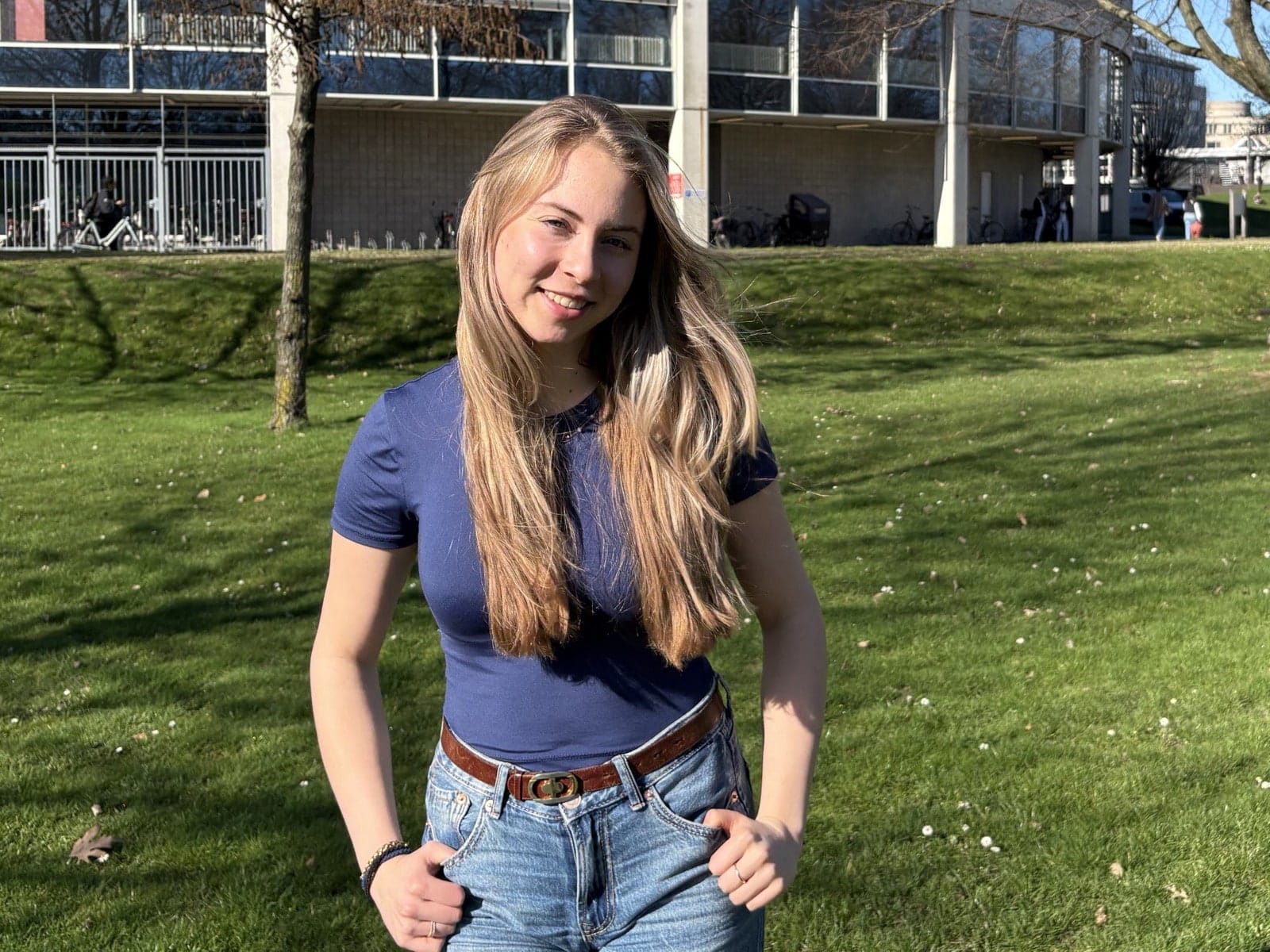
Vandaag: Lore Eckelmans (20)
Student geneeskunde, burgerraadslid én een van de jongste vrouwelijke kandidaten voor de Tweede Kamerverkiezingen van oktober 2025, namens Volt.
Ik wil dat Maastricht veilig is voor iedereen en blijft bruisen
zoals het hoort.
Student, burgerraadslid én voetbalfan
Lore kwam naar Maastricht voor haar studie, maar liet het daar niet bij. Al snel raakte ze betrokken bij de stad - niet alleen als student, maar ook als inwoner die ziet wat er beter kan. Als burgerraadslid denkt ze actief mee over beleid op het snijvlak van economie, cultuur en leefbaarheid.
“Ik dacht eerlijk gezegd dat gemeentepolitiek vooral traag zou zijn,” vertelt ze. “Dat besluiten eindeloos duren.” Die verwachting bleek niet te kloppen. “Als burgerraadslid doe je juist veel inhoudelijk voorwerk: je spreekt mensen, onderzoekt thema’s en vertaalt wat er leeft in de stad naar concrete voorstellen. Dat maakt besluitvorming uiteindelijk sneller en beter.”
Met haar leeftijd brengt ze een perspectief dat vaak ontbreekt. “De meeste raadsleden zijn 50 of 60 plus. Dat is waardevol - zij kennen de dossiers. Maar ik zie wat er speelt bij mijn generatie: studenten, jonge vrouwen, internationals. Dat dagelijkse perspectief hoor je niet altijd terug.”
Naast haar politieke en maatschappelijke betrokkenheid heeft Lore een groot hart voor voetbal. Ze voetbalt al jaren, is fan van Manchester City en Feyenoord, en draagt als jongste lid van de ledenraad van MVV ook deze club een warm hart toe. Zo komen haar liefde voor voetbal en haar betrokkenheid bij Maastricht mooi samen.
Veiligheid begint bij het dagelijks leven
Binnen haar werk richt Lore zich op leefbaarheid en veiligheid, vooral voor jongeren en vrouwen. Volgens haar gaat het niet alleen om grote beleidsstukken, maar juist om alledaagse details die een groot verschil maken.
Zo pleit ze voor betere verlichting in de binnenstad. “Een studente vertelde dat ze zich normaal onveilig voelt als ze ’s avonds naar buiten gaat. Maar zodra de kerstverlichting hangt, durft ze alleen van haar kamer naar de stad te lopen. Dat zegt alles. Zoiets simpels heeft directe impact.”
Ook het nachtleven vraagt serieuze aandacht. Lore ziet hoe discriminatie en ongelijkheid aan de deur van clubs nog steeds voorkomen. “Vriendengroepen waar één persoon met een andere huidskleur wordt geweigerd, meisjes die zonder legitimatie binnen mogen terwijl jongens worden tegengehouden - het gebeurt echt.”
“Veiligheid wordt vaak te eenzijdig benaderd. We praten veel over regels en handhaving, maar veel jongeren - zeker jonge vrouwen - voelen zich vooral onveilig door de sfeer, door hoe mensen worden aangesproken of lastiggevallen. Als je een bruisend nachtleven wilt, moet het eerlijk en veilig zijn. Anders haken mensen af.”
Europees denken dichtbij huis
Lores Europese blik komt niet uit theorie, maar uit ervaring. Ze werd geboren in Rotterdam, groeide op in Moordrecht en heeft een Brabantse moeder en een vader uit Tongeren, net over de Belgische grens. Daardoor kwam ze haar hele leven al regelmatig in Maastricht.
“Je merkt hoe dichtbij Europa eigenlijk is,” vertelt ze. “Maar ook waar het wringt. Neem het openbaar vervoer: met de bus van Tongeren naar Maastricht klinkt logisch, maar het duurt veel te lang. Dat laat zien dat samenwerking over de grens nog lang niet vanzelfsprekend is.”
Juist daarom vindt Lore het belangrijk om lokaal én Europees te denken. “Europa gaat niet alleen over grote verdragen. Het gaat over bereikbaarheid, verbindingen tussen steden en regio’s - over dingen die je dagelijks raken.” Voor haar generatie lijkt vrij reizen, studeren en werken over de grens normaal. “Maar dat is het niet. Het is het resultaat van politieke keuzes, en die voel je hier in Maastricht elke dag.”
Als Volt-lid brengt ze die blik bewust mee in lokaal beleid. Ze wijst op de Spoorzone, het gebied rond het station dat Maastricht in tweeën snijdt. “Het is een plek met enorm veel potentie, maar ook met een prijskaartje dat een gemeente niet alleen kan dragen. Dan moet je verder kijken. Europees denken betekent kansen beter benutten. Waarom zou Maastricht geen echte Europese poort worden? Een station dat verbindt - fysiek én symbolisch - met ondertunneling en nieuwe woningen die de stad dichterbij elkaar brengen.”
Volgens Lore is dat waar Volt het verschil wil maken. “Voor veel mensen lijkt Europa abstract, maar hier merk je hoe concreet Europese keuzes zijn. Die kansen zie je niet alleen in grote projecten. Ook kleinere ingrepen in wijken - betere verlichting, ontmoetingsplekken, culturele projecten - maken een groot verschil in het dagelijks leven. Het gaat erom dat de kansen die Europa biedt zichtbaar en voelbaar zijn, van het grote stedelijke plan tot de straat om de hoek.”
Cultuur en verbondenheid
Op de lange termijn ligt Lores hart bij cultuur, verbinding en het creëren van mogelijkheden voor iedereen. Niet alleen als ontspanning, maar ook om mensen bij elkaar te brengen. “Cultuur is waar verbondenheid begint. Het zorgt ervoor dat mensen zich thuis voelen in een stad.”
Ze maakt zich zorgen dat veel studenten Maastricht verlaten zodra ze afstuderen. “Ze zijn hier opgeleid en werken in het ziekenhuis, maar vertrekken omdat ze zich onvoldoende verbonden voelen. Dat gaat niet alleen over wonen of werk, maar ook over taal, ontmoeting en cultuur. Als we dat beter organiseren, blijven ze - en bouwen ze mee aan de stad.”
Met haar achtergrond en leeftijd brengt Lore verschillende perspectieven samen. Ze kent het leven van studenten en jonge inwoners, ziet waar kleine dingen het verschil maken en weet hoe Maastricht zijn mogelijkheden kan benutten.
“Ik wil dat Maastricht veilig is voor iedereen, dat het leeft en bruist zoals het hoort, en dat iedereen gelijke kansen krijgt - met behoud van alles wat deze stad uniek maakt. Zo kan de stad zich blijven ontwikkelen, met aandacht voor veiligheid, cultuur en persoonlijke en maatschappelijke kansen.”
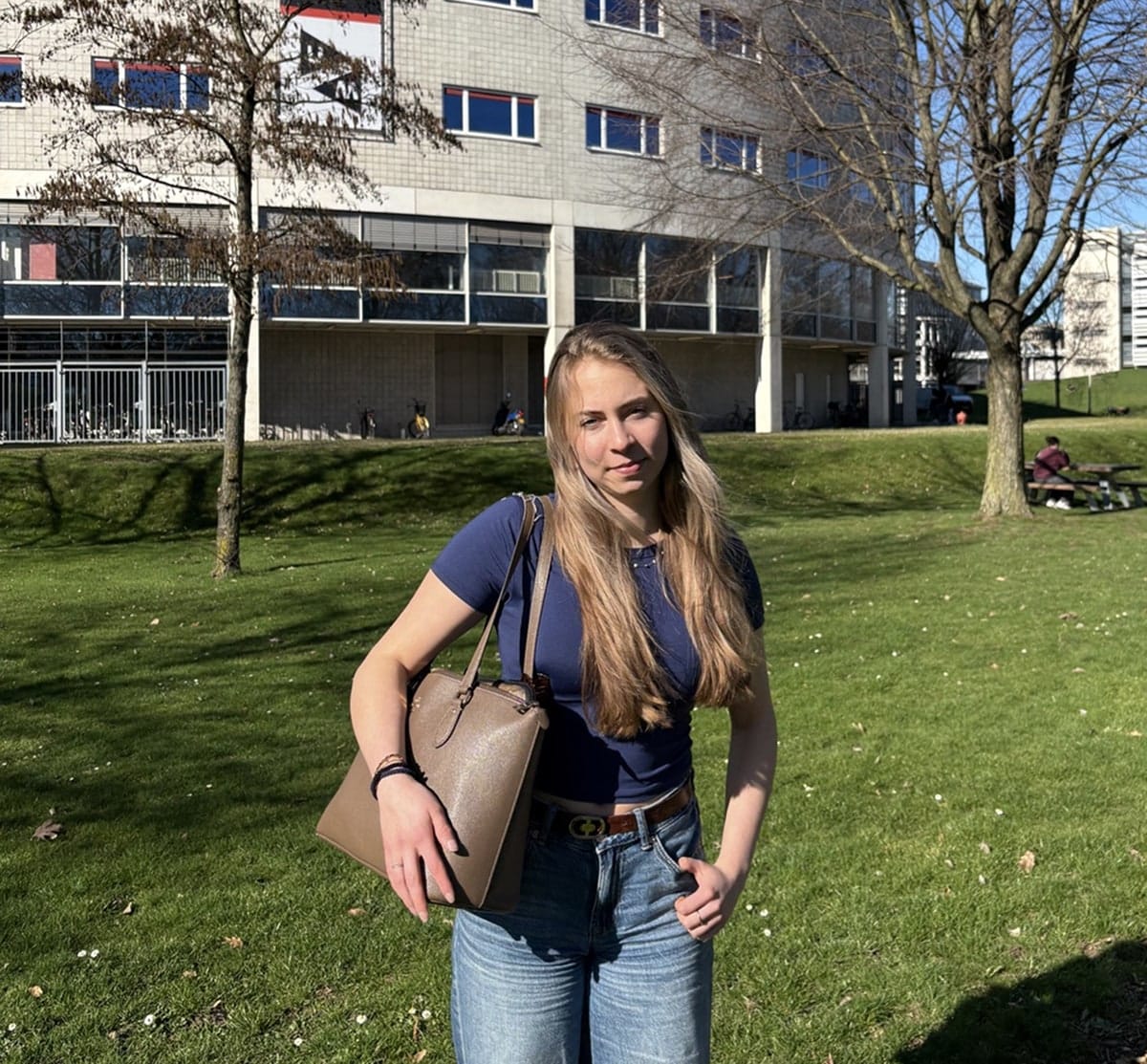
Today: Lore Eckelmans (20)
Medical student, political assistant and one of the youngest female candidates for the October 2025 Dutch parliamentary elections, representing Volt.
“I want Maastricht to be safe for everyone and to keep buzzing the way it should.”
Lore came to Maastricht for her studies, but she didn’t stop there. She quickly became involved in the city — not just as a student, but as a resident who sees what can be improved. As a citizen council member, she actively contributes to policy at the intersection of economy, culture and quality of life.
“I honestly thought municipal politics would be slow,” she says. “That decisions would take forever.” That expectation turned out to be wrong. “As a political assistant, you actually do a lot of substantive groundwork: you talk to people, research topics and translate what’s happening in the city into concrete proposals. That ultimately makes decision-making faster and better.”
At her age, she brings a perspective that is often missing. “Most council members are 50 or 60 plus. That’s valuable — they know the files. But I see what’s happening among my generation: students, young women, internationals. That everyday perspective isn’t always reflected.”
Alongside her political and social engagement, Lore has a big heart for football. She has played for years, is a fan of Manchester City and Feyenoord, and as the youngest member of the members’ council of MVV she warmly supports the club as well. In this way, her love of football and her involvement in Maastricht come together beautifully.
Within her work, Lore focuses on quality of life and safety, especially for young people and women. According to her, it’s not just about major policy documents, but about everyday details that can make a big difference.
For example, she advocates for better lighting in the city center. “A female student told me she normally feels unsafe going out at night. But as soon as the Christmas lights are up, she dares to walk alone from her room to the city center. That says everything. Something so simple has a direct impact.”
Nightlife also deserves serious attention. Lore sees how discrimination and inequality at club doors still occur. “Groups of friends where one person with a different skin color is refused entry, girls who are allowed in without ID while boys are held back — it really happens.”
“Safety is often approached too one-sidedly. We talk a lot about rules and enforcement, but many young people — especially young women — mainly feel unsafe because of the atmosphere, because of how they are addressed or harassed. If you want a vibrant nightlife, it has to be fair and safe. Otherwise, people drop out.”
Lore’s European outlook does not come from theory, but from experience. She was born in Rotterdam, grew up in Moordrecht, has a Brabant mother and a father from Tongeren, just across the Belgian border. As a result, she regularly came to Maastricht throughout her life.
“You notice how close Europe actually is,” she says. “But also where it doesn’t quite work. Take public transport: taking the bus from Tongeren to Maastricht sounds logical, but it takes far too long. That shows that cross-border cooperation is still far from self-evident.”
That is precisely why she believes it is important to think both locally and European. “Europe isn’t just about big treaties. It’s about accessibility, connections between cities and regions — about things that affect you every day.” For her generation, being able to travel, study and work freely across borders seems normal. “But it isn’t. It’s the result of political choices, and you feel those choices here in Maastricht every single day.”
As a member of Volt, she consciously brings that perspective into local policy. She points to the Spoorzone, the area around the station that divides Maastricht in two. “It’s a place with enormous potential, but also with a price tag that a municipality cannot carry alone. Then you have to look further. Thinking European means making better use of opportunities. Why shouldn’t Maastricht become a true European gateway? A station that connects — physically and symbolically — with an underpass and new housing that brings the city closer together.”
According to Lore, that’s where Volt wants to make a difference. “For many people, Europe seems abstract, but here you can see how concrete European choices are. You see those opportunities not only in large projects. Smaller interventions in neighborhoods — better lighting, meeting places, cultural projects — also make a big difference in everyday life. It’s about making the opportunities Europe offers visible and tangible, from major urban plans to the street around the corner.”
In the long term, Lore’s heart lies with culture, connection and creating opportunities for everyone — not only as leisure, but also as a way to bring people together. “Culture is where connection begins. It makes people feel at home in a city.”
She is concerned that many students leave Maastricht once they graduate. “They are educated here and work in the hospital, but leave because they don’t feel sufficiently connected. That’s not just about housing or jobs, but also about language, meeting people and culture. If we organize that better, they will stay — and help build the city.”
With her background and age, Lore brings together different perspectives. She knows the life of students and young residents, sees how small things can make a difference and understands how Maastricht can make the most of its opportunities.
“I want Maastricht to be safe for everyone, alive and buzzing as it should be, and for everyone to have equal opportunities — while preserving everything that makes this city unique. That way the city can continue to develop, with attention to safety, culture and personal and social opportunities.”
